
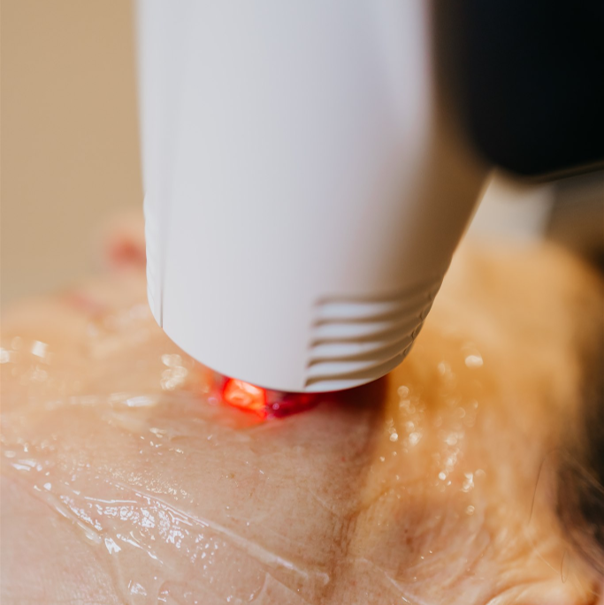
Skin tightening is having a major moment right now. Between TikTok before-and-afters, celebrity longevity routines, and the rise of non-surgical aesthetics, energy-based treatments are everywhere and one of the newest names entering the conversation is XERF. Marketed as a next-generation radiofrequency treatment with little downtime, XERF has quickly gained attention for its ability to heat tissue and improve skin laxity without surgery. But as more patients compare technologies, one question keeps coming up: How does XERF actually compare to clinically established treatments like RF Microneedling and Sublative resurfacing?
At CLEO, we love innovation in aesthetics. But when it comes to collagen remodeling, skin tightening, and acne scar correction, not all energy devices create the same biological response. Here’s what patients should understand before choosing a treatment.
What Is XERF?
XERF is a non-invasive radiofrequency (RF) treatment designed to heat the deeper layers of tissue in order to stimulate collagen production and improve skin firmness over time.
Unlike RF microneedling, XERF does not use needles to physically penetrate the skin. Instead, it delivers bulk thermal energy through the surface of the skin using external applicators.
That makes it appealing for patients looking for:
- Minimal downtime
- Comfortable treatments
- Mild skin tightening
- Preventative collagen support
And for the right candidate, it can absolutely play a role in a long-term skin maintenance routine.
But there’s an important distinction consumers often miss: heating tissue generally is very different from delivering controlled energy directly into the dermis.
Why Depth & Precision Matter in Collagen Remodeling
Collagen stimulation is not just about warming the skin.
The biggest determinant of clinical results is:
- how deep energy reaches,
- how precisely it’s delivered,
- and whether the treatment creates a meaningful remodeling response.
This is where treatments like RF Microneedling and Sublative separate themselves.
RF Microneedling: Direct Dermal Remodeling
Unlike surface RF devices, RF Microneedling physically bypasses the skin barrier using ultrafine insulated needles that deliver radiofrequency energy directly into the dermis.
That distinction matters enormously.
Because the energy is released beneath the surface, providers can create controlled zones of thermal injury exactly where collagen and elastin remodeling occurs most effectively.
This allows RF Microneedling to treat concerns that more superficial heating devices often struggle to meaningfully improve, including:
- Acne scars
- Skin laxity
- Enlarged pores
- Crepey skin
- Texture irregularities
- Jawline softening
The result is not just temporary swelling or superficial tightening — it’s structural remodeling over time.
Sublative: Resurfacing + Remodeling
While RF Microneedling focuses on deep dermal stimulation, Sublative treatments add another dimension: controlled fractional resurfacing.
Sublative RF creates microscopic zones of injury within the skin while leaving surrounding tissue intact, helping stimulate both:
- collagen production
- and surface-level skin renewal
This makes it especially effective for:
- Acne scarring
- Texture refinement
- Fine lines
- Enlarged pores
- Post-inflammatory pigmentation
- Overall skin quality
In other words:
RF Microneedling excels at deeper structural tightening, while Sublative adds a resurfacing component that improves the visible texture and tone of the skin itself.
The Biggest Difference: Intensity of Remodeling
This is ultimately the key distinction between XERF and more aggressive clinical collagen-stimulation technologies.
Non-invasive RF heating devices can support collagen maintenance and mild tightening. But when patients want:
- significant acne scar revision,
- sharper contours,
- firmer skin,
- or true texture transformation,
they usually require a stronger and more targeted remodeling stimulus.
That’s where RF Microneedling and Sublative treatments continue to stand out clinically.
Because they physically bypass the skin barrier and deliver controlled energy at precise depths, they are capable of creating a much more meaningful tissue response than topical skincare or surface-level heating alone.
Which Treatment Is Right for You?
The best treatment depends entirely on your goals.
XERF May Be Better For:
- Mild preventative maintenance
- Early signs of aging
- Patients prioritizing comfort and minimal downtime
- Gentle collagen support
RF Microneedling May Be Better For:
- Skin tightening
- Acne scars
- Enlarged pores
- Crepey skin
- Moderate laxity
- Structural collagen remodeling
Sublative May Be Better For:
- Texture refinement
- Acne scarring
- Fine lines
- Pore reduction
- Surface rejuvenation
- Combined resurfacing + tightening
The CLEO Perspective: Maintenance vs. Transformation
There’s nothing wrong with newer non-invasive tightening technologies. For some patients, they can be a great entry point into preventative aesthetics. But if your goal is meaningful structural change — especially for acne scars, laxity, texture, or visible collagen loss — treatment depth and energy delivery matter. At CLEO, we focus on technologies with strong clinical data, customizable treatment depths, and proven remodeling capabilities that go beyond surface-level skin warming. Because when it comes to collagen stimulation, precision beats hype every time. Ready to build a personalized treatment plan? Book a consultation with a CLEO energy-device expert today at one of our clinics in Minneapolis, Atlanta, St. Louis, or Detroit and let’s design your high-tech, clinically proven skin blueprint.

Leave a comment
This site is protected by hCaptcha and the hCaptcha Privacy Policy and Terms of Service apply.