

Thin brows are out. Full brows are in. And over the last decade, millions of people turned to microblading as the “semi-permanent” shortcut to perfectly shaped arches. But as trends changed and as many clients experienced pigment discoloration, uneven fading, or poor technique a new category of aesthetic treatment exploded in popularity: microblading removal.
Social media is now filled with DIY removal hacks, saline tattoo-lightening videos, and miracle correction serums promising to erase unwanted pigment naturally. But when it comes to safely removing implanted brow pigment without damaging the surrounding skin, there’s a reason dermatologists and laser clinics overwhelmingly rely on one technology: laser energy**.**
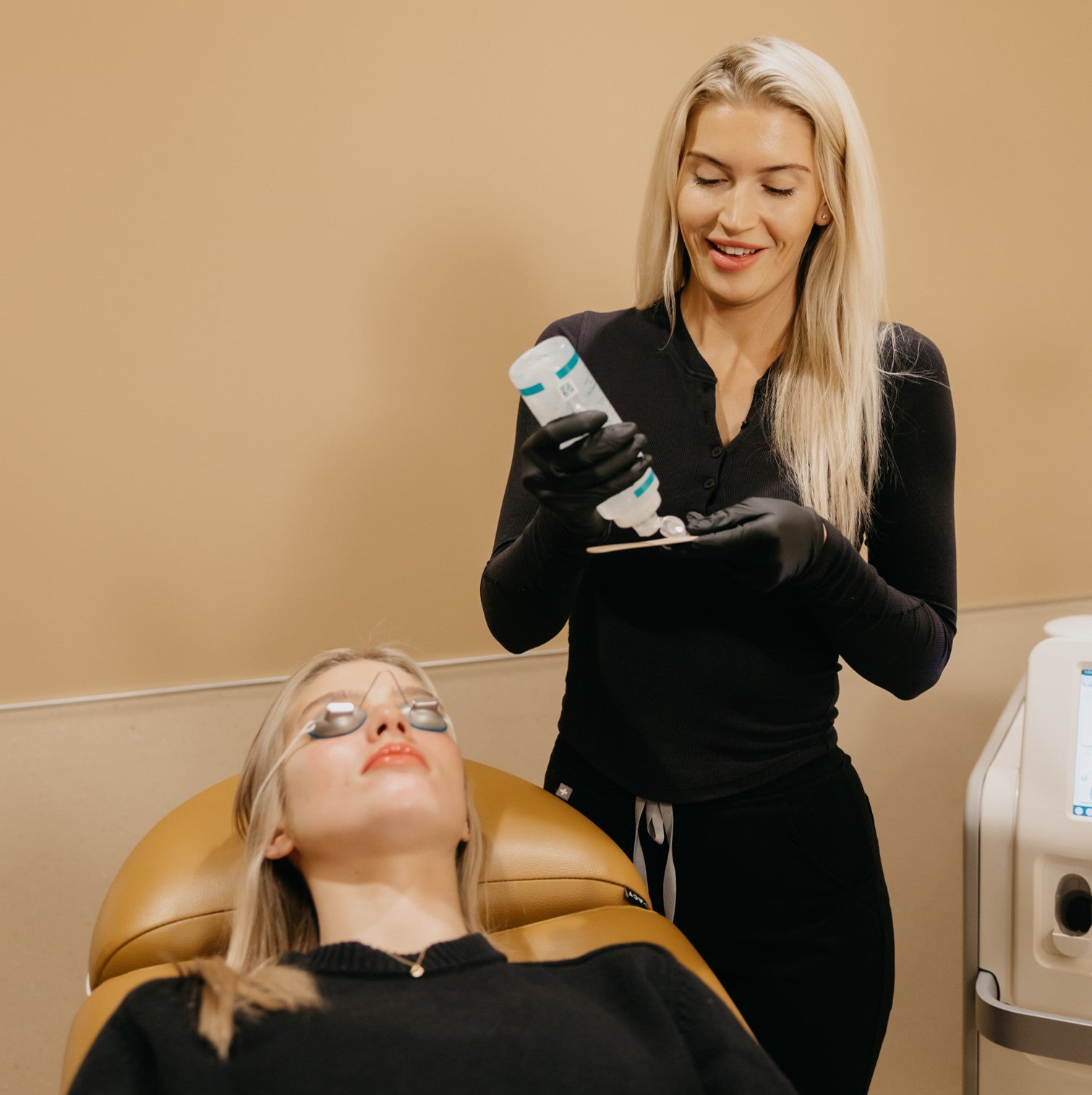
At CLEO, we specialize in clinically backed laser treatments designed to target stubborn pigment precisely while protecting the integrity of the skin underneath. Here’s why lasers remain the gold standard for correcting unwanted microblading results.
Why Microblading Is So Difficult to Remove
Unlike traditional makeup, microblading pigment is implanted beneath the surface of the skin using tiny blade-like incisions. While many people are told it’s “semi-permanent,” the reality is that pigment can linger for years — especially when iron oxides, titanium dioxide, or carbon-based inks are involved.
Over time, many clients experience:
- Brows turning gray, blue, red, or orange
- Uneven fading
- Blurred hair strokes
- Pigment migration
- Overly saturated or outdated brow shapes
The challenge is that once pigment is deposited into the dermis, topical skincare products simply cannot reach it effectively.
The Problem With DIY & Non-Laser Removal Trends
TikTok and beauty forums are full of alternative removal methods claiming to “lift” pigment naturally. The problem? Most of these approaches create inflammation on the surface of the skin without meaningfully targeting the pigment particles underneath.
Saline Removal
Saline tattoo removal works by creating controlled injury to draw pigment upward during healing. While it can help in certain situations, results are often inconsistent and highly dependent on skin type, pigment depth, and technician skill.
More importantly, repeated aggressive saline treatments can increase the risk of:
- Scarring
- Texture irregularities
- Hypopigmentation
- Prolonged redness
Topical “Fading” Serums
Pigment implanted in the dermis cannot simply be dissolved with skincare. While exfoliating acids or retinoids may slightly accelerate surface turnover, they do little to break apart deeply embedded tattoo particles.
This is where laser technology fundamentally changes the game.
Why Laser Removal Works Better
Unlike topical products or abrasive surface treatments, laser devices are specifically engineered to target pigment beneath the skin.
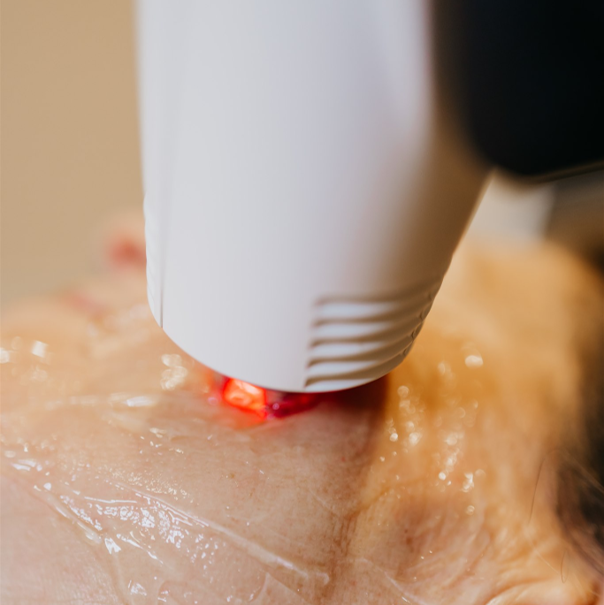
Advanced pigment-correcting lasers deliver precise pulses of energy that shatter tattoo ink into microscopic particles. Your body’s immune system then gradually clears those fragmented particles over time.
The key advantage is precision.
Laser energy can selectively target unwanted pigment while minimizing damage to the surrounding tissue — which is especially important in delicate areas like the eyebrows.
1. Clinically Proven Technology
Laser tattoo removal technologies have decades of clinical research supporting their safety and efficacy. Unlike trending social-media removal hacks, medical-grade laser systems are designed specifically for pigment fragmentation using carefully calibrated wavelengths and pulse durations.
2. Better Control Over Pigment Correction
Microblading pigments are notoriously unpredictable because many contain mixed-color compounds. Experienced laser providers can strategically adjust settings based on:
- Pigment color
- Saturation
- Skin tone
- Depth
- Previous treatments
This level of customization simply is not possible with at-home products or one-size-fits-all removal methods.
3. Lower Risk of Scarring
One of the biggest misconceptions online is that “stronger” removal methods equal better results. In reality, excessive surface trauma is often what creates long-term texture issues.
When performed correctly, laser treatments work beneath the skin’s surface rather than aggressively abrading the epidermis — helping reduce the risk of permanent scarring compared to repeated manual correction techniques.
The Reality: Removal Is a Process
One important truth that many clinics avoid talking about: microblading removal is rarely a one-session fix.
Some pigments lighten quickly. Others oxidize temporarily or require multiple sessions depending on their composition. Certain inks containing titanium dioxide can even darken initially before improving with subsequent treatments.
That’s why proper assessment matters.
An experienced laser provider understands how different pigment formulations behave and can create a staged treatment plan designed to prioritize both clearance and skin integrity.
The CLEO Perspective: Precision Over Trends
There’s nothing wrong with trying brow trends. But when poorly aged pigment starts affecting your confidence, relying on DIY internet removal hacks can create more problems than they solve. Microblading removal requires controlled energy, clinical precision, and a deep understanding of pigment behavior beneath the skin. That’s why laser technology continues to be the gold standard for achieving cleaner, safer, and more predictable brow correction results. Book a consultation with a CLEO energy-device expert today at one of our clinics in Minneapolis, Atlanta, St. Louis, or Detroit and let’s design your high-tech, clinically proven skin blueprint.

Leave a comment
This site is protected by hCaptcha and the hCaptcha Privacy Policy and Terms of Service apply.