
Scalp micropigmentation (SMP) exploded in popularity for a reason. For many patients dealing with hair thinning or hair loss, SMP offered the appearance of a fuller, sharper hairline without surgery, medications, or ongoing maintenance. But as the industry grew rapidly, so did the number of poorly performed treatments. Now, a growing number of patients are searching for something very different: scalp micropigmentation removal.
Whether it’s a hairline placed too low, pigment that turned blue or gray over time, uneven density, or simply changing aesthetic preferences, correcting bad SMP has become one of the fastest-growing categories in laser tattoo removal. At CLEO, we specialize in clinically guided pigment correction using advanced laser technologies designed to safely target implanted pigment while protecting the surrounding skin. Here’s what patients should know before attempting SMP removal.
Why SMP Is Difficult to Remove
Unlike topical makeup or scalp concealers, scalp micropigmentation involves implanting pigment into the upper dermis using tattoo-based techniques.
While SMP is often marketed as “semi-permanent,” many pigments can remain visible for years — especially when:
- pigment is implanted too deeply,
- overly saturated ink is used,
- or improper pigment formulations are chosen.
Over time, many patients experience:
- Blue or gray discoloration
- Blurred hairline edges
- Uneven fading
- Overly dense or unnatural results
- Pigment migration
- Hairline designs that age poorly
The problem is that once pigment is embedded beneath the skin barrier, skincare products and exfoliation simply cannot remove it effectively.
The Internet Is Full of SMP Removal Myths
As demand for removal has increased, social media has become flooded with DIY “fading” methods and non-laser correction trends.
Unfortunately, most of these approaches fail to meaningfully target the pigment itself.
Exfoliation & “Fading” Products
No topical shampoo, acid, scrub, or serum can reliably dissolve implanted tattoo pigment beneath the skin.
At best, aggressive exfoliation may temporarily irritate the scalp or accelerate surface turnover slightly. But SMP pigment lives below the epidermis, making true removal through skincare unrealistic.
Saline & Abrasive Techniques
Some clinics attempt to manually lift pigment through saline treatments or abrasive resurfacing methods. While these approaches may create modest lightening in certain cases, they also increase the risk of:
- Scalp irritation
- Scarring
- Uneven texture
- Hypopigmentation
- Inconsistent fading
This is especially important on the scalp, where preserving smooth skin texture is critical for a natural appearance.
Why Laser Removal Works Better
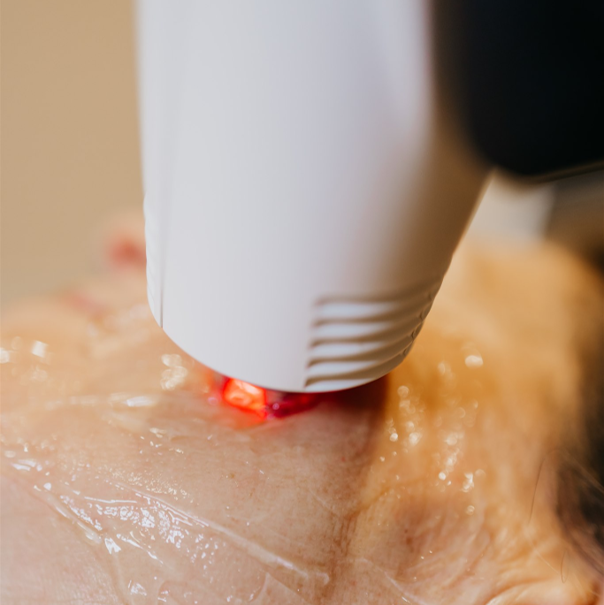
Laser technology approaches SMP removal completely differently. Rather than scraping or irritating the skin’s surface, pigment-targeting lasers deliver controlled bursts of energy designed to fragment tattoo particles beneath the skin. Once fragmented, the body’s immune system gradually clears the pigment over time. This allows providers to selectively target unwanted ink while minimizing trauma to the surrounding scalp tissue.
The Advantage of Laser Precision
Not all scalp pigments behave the same way.= Some contain carbon-based black pigments that respond predictably to laser energy. Others contain mixed compounds that can shift color as they fade. That’s why experienced laser assessment matters.
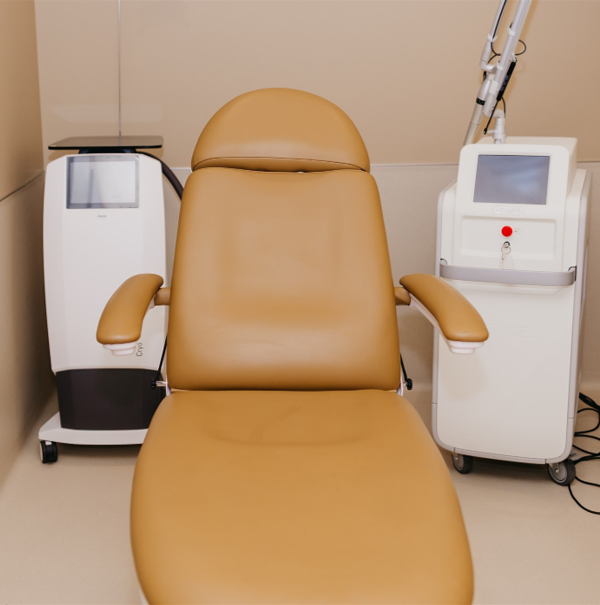
Advanced laser systems allow providers to customize treatment based on:
- Pigment depth
- Ink density
- Color composition
- Skin tone
- Previous SMP sessions
- Hairline design
This level of precision is one of the biggest reasons laser removal has become the preferred clinical approach for correcting unwanted SMP.
The Reality: SMP Removal Is Usually a Process
One of the biggest misconceptions online is that scalp micropigmentation can be erased instantly. In reality, most patients require multiple sessions spaced over time to safely reduce pigment while allowing the scalp to heal properly between treatments. Some pigments fade quickly. Others are more resistant depending on their composition and implantation depth. In certain cases, complete removal may not even be the goal.
Many patients instead pursue:
- Hairline softening
- Density reduction
- Shape correction
- Partial lightening before SMP revision
- Cleanup of migrated pigment
A personalized treatment plan matters far more than chasing “one-session removal” promises online.
The CLEO Perspective: Precision Over Aggression
Correcting bad scalp micropigmentation is not about using the harshest treatment possible. It’s about using controlled, clinically guided energy to gradually break apart pigment while preserving the health and appearance of the scalp itself. That’s why laser technology continues to be the gold standard for SMP correction. At CLEO, we focus on treatment precision, pigment assessment, and long-term skin integrity — not viral shortcuts or aggressive removal trends that can create additional texture issues. If you’re dealing with unwanted scalp micropigmentation, the good news is that modern laser technology offers safer and more predictable correction options than ever before. Ready to reset your hairline? Book a consultation with a CLEO energy-device expert today at one of our clinics in Minneapolis, Atlanta, St. Louis, or Detroit and let’s design your high-tech, clinically proven skin blueprint.

Leave a comment
This site is protected by hCaptcha and the hCaptcha Privacy Policy and Terms of Service apply.