
For years, tattoos were treated as permanent identity markers — something you commit to and live with forever. That idea is starting to break down. Recent coverage (including GQ’s reporting on rising tattoo removal demand) reflects what clinics are already seeing: tattoo removal is no longer niche or corrective. It’s becoming culturally normal again. And a big part of that shift is visibility. Public figures like Pete Davidson, who has openly documented his tattoo removal process, have helped reframe what it means to remove ink. As more celebrities quietly fade or fully erase large portions of their tattoos, the category itself starts to feel less permanent — and more editable. At CLEO, we’re seeing the same trend play out in real time: patients aren’t just removing “bad tattoos” anymore. They’re refining, updating, and rethinking what they want their skin to say.
From Permanent to Reversible Aesthetic
Tattoos used to signal a fixed version of yourself. Now they increasingly signal something more flexible — a decision that can evolve. What’s changed isn’t just taste. It’s the expectation that ink is final. With modern laser technology making removal more accessible and predictable, tattoos are starting to feel less like permanent commitments and more like editable design choices.
Why People Are Getting Tattoos Removed
Across clinics, the reasons are consistent:
- Outdated designs that no longer match personal style
- Poor execution or uneven aging
- Career or visibility considerations
- Cover-up preparation
- Simple aesthetic evolution
In most cases, it’s not regret- it’s refinement. People aren’t undoing their past. They’re updating it.
What Actually Changed: Laser Technology
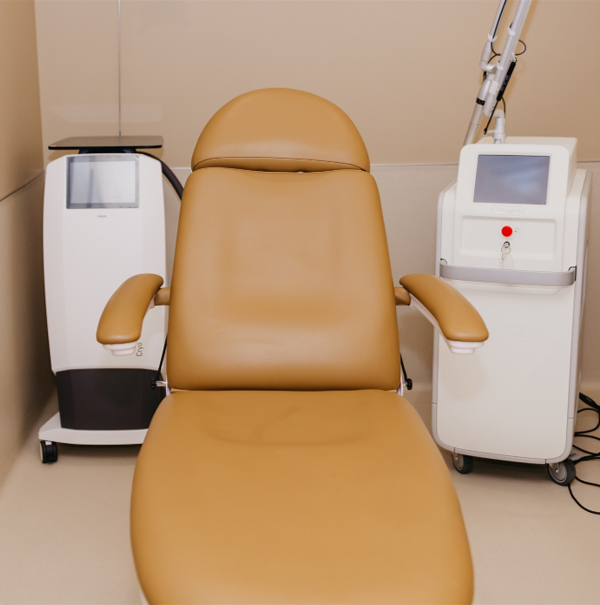
The rise in tattoo removal isn’t just cultural, it’s technical. Modern laser systems target ink beneath the skin and break pigment into microscopic particles that the body gradually clears over time.
Compared to older methods, this approach is:
- more precise
- more predictable
- and significantly safer for surrounding skin
That shift is what turned tattoo removal from a last-resort procedure into a planned aesthetic process.
Removal Is Still a Process
One misconception driven by social media is that tattoos can be erased quickly.
In reality, removal depends on:
- ink color
- pigment depth
- tattoo density
- skin type
- and age of the ink
Black ink tends to respond fastest, while mixed or lighter pigments can require more sessions and patience. The goal is gradual clearance, not instant erasure.
The New Normal: Editable Skin
The broader cultural shift isn’t just about tattoos — it’s about permanence itself.
We’re moving toward a world where aesthetic decisions are increasingly reversible:
- injectables can be adjusted
- skin treatments are iterative
- hair restoration is corrective
- and tattoos can be faded or removed
The common thread is control over revision, not lifelong commitment to a single version of yourself.
The CLEO Perspective
At CLEO, tattoo removal isn’t about erasing identity, it’s about giving people the ability to refine it. Some patients fully remove ink. Others lighten tattoos for cover-ups. Many simply want their skin to match who they are today, not who they were years ago. What’s changed isn’t just the technology. It’s the expectation that your skin should be allowed to evolve with you. Book a consultation with a CLEO laser tattoo removal experts at one of our clinics in Minneapolis, Atlanta, St. Louis, or Detroit and let’s design your high-tech, clinically proven skin blueprint.

Leave a comment
This site is protected by hCaptcha and the hCaptcha Privacy Policy and Terms of Service apply.