
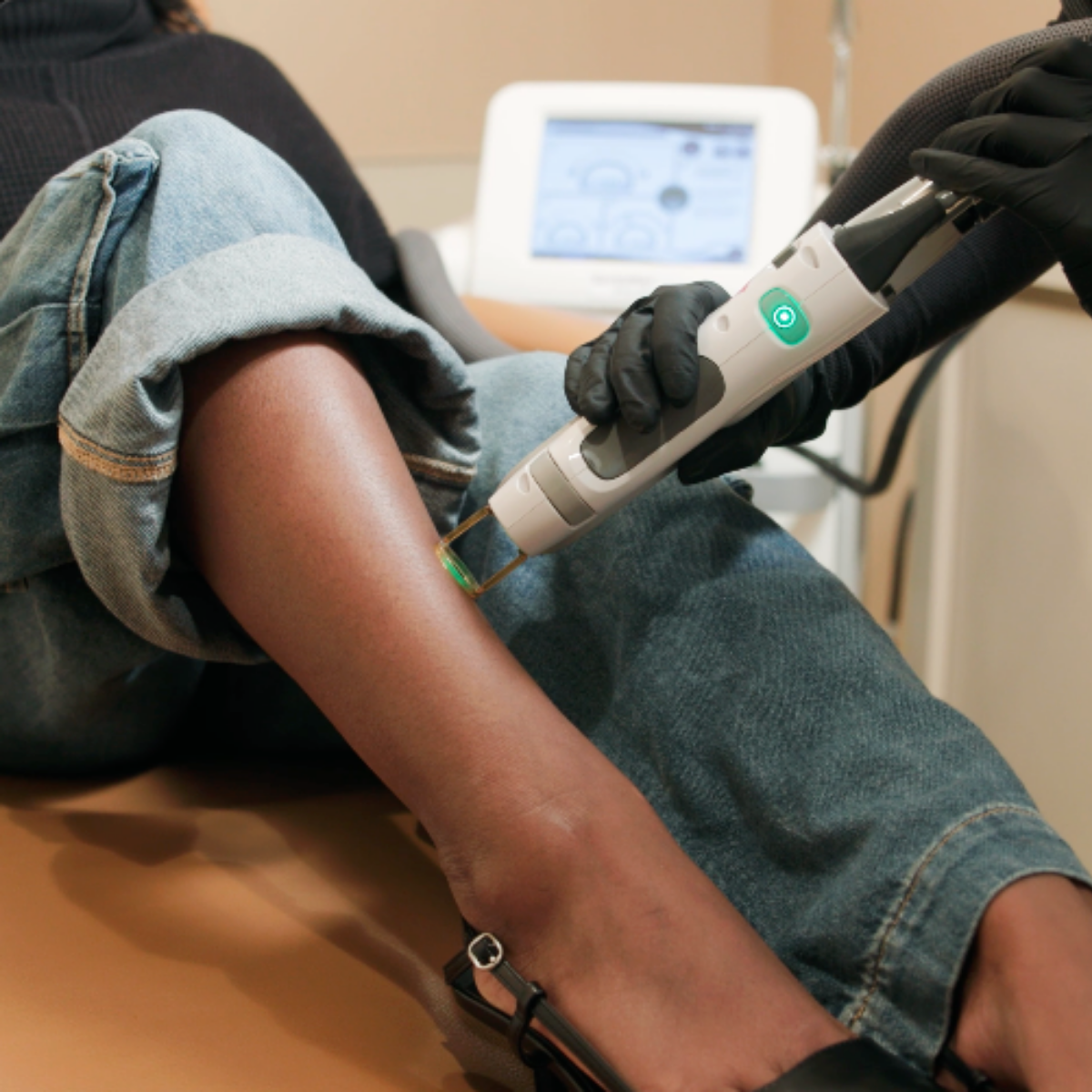
For a long time, laser hair removal had a reputation for being a treatment that only worked, or was only safe, for people with light skin and dark hair. That reputation wasn't entirely unfounded, but it was based on older technology that no longer represents what modern laser hair removal can do. If you've been told laser isn't for your skin tone, or if you've avoided looking into it because you assumed it wasn't an option, it's worth revisiting that assumption.
Here's what's actually true about laser hair removal and skin tone safety, and why the answer has changed significantly.
Why Skin Tone Matters in Laser Hair Removal
To understand skin tone safety, you need to understand what the laser is actually doing. Laser hair removal works by targeting the pigment (melanin) in the hair follicle. The laser's energy is absorbed by that pigment, which generates heat and damages the follicle's ability to produce new hair.
The challenge is that melanin exists in skin as well as hair. In earlier laser systems, the technology had difficulty distinguishing between the pigment in the hair follicle and the pigment in the surrounding skin. For people with darker skin tones, that meant a higher risk of the laser absorbing into the skin itself, which could cause burns, hyperpigmentation (dark spots), or hypopigmentation (light spots).
This is why skin tone has historically been a factor in who was considered a candidate for laser hair removal. But it's a factor that modern technology has largely addressed.
How Modern Laser Technology Changed the Picture
The Fitzpatrick scale is a classification system used to categorize skin tone, ranging from Type I (very fair, always burns) to Type VI (very deep, never burns). Older laser systems were primarily designed for Fitzpatrick Types I–III and carried meaningful risk for Types IV–VI.
Newer laser platforms like the Candela GentleMax Pro Plus are built to treat safely and effectively across all six Fitzpatrick skin types. They do this through longer wavelengths and more precise targeting that can better differentiate between hair follicle pigment and skin pigment, combined with integrated cooling systems that protect the surface of the skin throughout treatment.
This doesn't mean skin tone is irrelevant, it means it's a clinical variable that an experienced provider accounts for in your treatment settings, not a reason to turn you away. Wavelength, pulse duration, fluence, and cooling are all calibrated based on your specific skin tone and hair type to deliver effective results safely.
What This Means for You
If you have a medium, olive, brown, or deep skin tone and you've been told laser hair removal isn't for you, that may have been accurate advice five or ten years ago, or it may reflect limitations of the specific provider or equipment you spoke with, not a universal truth about laser hair removal.
There are a few things worth knowing as you evaluate your options:
The provider and equipment matter enormously. A provider using the right technology and with real experience treating your skin tone will get very different results than one who is less familiar with adjusting settings for darker complexions. This is not an area where one-size-fits-all treatment works.
Darker skin tones may require slightly adjusted treatment parameters. This doesn't mean fewer results, it means a qualified provider will take more time calibrating your settings rather than applying the same defaults used for a lighter skin tone. Longer wavelengths and more conservative fluence can still deliver effective hair reduction safely.
Very light or fine hair presents a different challenge. Across all skin tones, hair with less pigment (blonde, gray, or red hair) is harder to target, since there's less melanin in the follicle for the laser to absorb. This is a hair characteristic, not a skin tone issue, but it's worth discussing at your consultation.
Sun exposure still matters, regardless of skin tone. Freshly tanned or sunburned skin complicates treatment for anyone, but it's especially worth monitoring for deeper skin tones where the line between hair follicle pigment and skin pigment is naturally closer.
Why CLEO Can Treat All Skin Tones Confidently
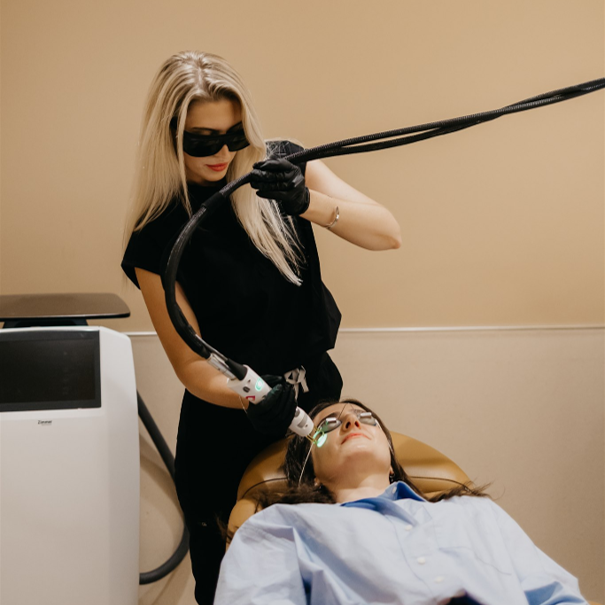
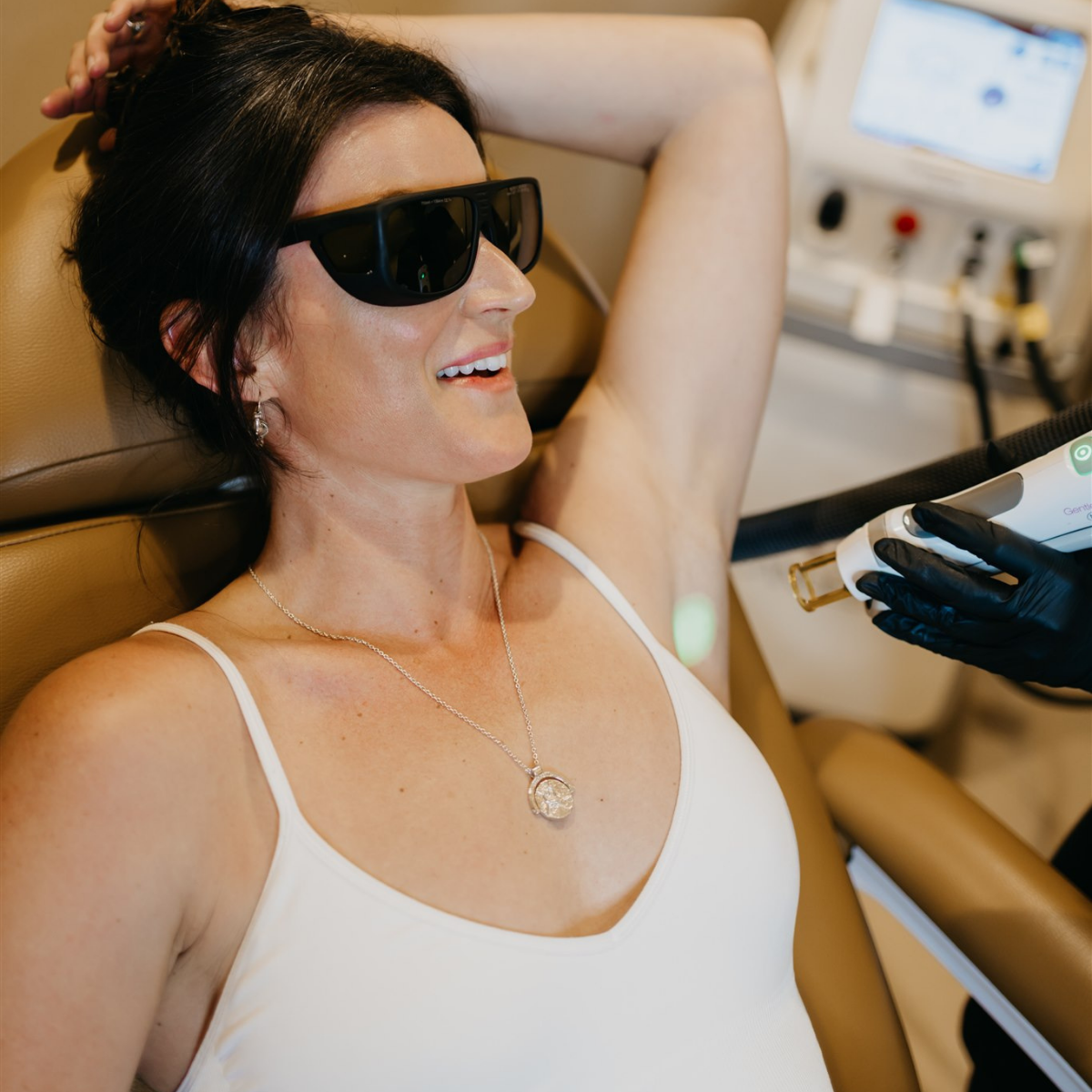
At CLEO, we use the Candela GentleMax Pro Plus specifically because of its ability to treat safely and effectively across all Fitzpatrick skin types. Not every provider can say that, and it's not a small distinction, it's the difference between a clinic that can genuinely serve all skin tones and one that's quietly working within narrow limits.
Every guest at CLEO receives a thorough skin assessment before their first session, so treatment settings are calibrated to your specific skin tone and hair type from the start. If your skin tone requires adjusted parameters, your provider makes those adjustments as a standard part of your personalized plan, not as an exception.
We also stay current with training on treating diverse skin tones, because technique matters just as much as technology. The right equipment in undertrained hands still produces inconsistent results.
The Bottom Line
Laser hair removal is not, and has not been for some time, a treatment only suited for light skin. Modern laser technology that is used correctly by an experienced provider, is built to work across a wide range of skin tones safely and effectively. If your skin tone has been the reason you've held off, it may be time to have a real conversation with a provider who can show you what's actually possible for your skin.
Curious What's Possible for Your Skin Tone?
Schedule a free consultation with us and find out exactly what laser hair removal can do for you. We'll assess your skin tone, hair type, and treatment area, and give you a clear, honest picture of what to expect — no guesswork, no generic answers.
If you’re ready to jump right in, book your session or purchase a package today.

Leave a comment
This site is protected by hCaptcha and the hCaptcha Privacy Policy and Terms of Service apply.