
Glass skin, the K-beauty standard for a complexion so smooth and even it looks almost translucent, has held its place as one of the most searched skincare terms for years now. Every few months a new product promises to deliver it. Every few months, most people are still looking for the same result.
Here's the thing nobody selling a 10-step routine wants to say out loud: glass skin was never really about the number of products. It's about what those products (and the skin underneath them) are actually doing.
What Glass Skin Actually Is
Glass skin describes a complexion with three specific qualities working together: smooth texture, minimal visible pores, and even tone with a natural, non-oily luminosity. It's not about looking shiny or heavily filtered. It's about skin that reflects light evenly because there's nothing (no texture, no uneven pigment, no dullness) interrupting the surface.
That's a tall order for serums alone. Products can hydrate, protect, and support skin over time, but they largely work on the surface layer. Getting skin that's genuinely smoother and more even in tone, not just temporarily plumped or brightened, usually requires addressing what's happening underneath.
Why the 10-Step Routine Became the Default Answer
The K-beauty routine boom made sense as a starting point. Layering hydration, treatment, and protection products is a reasonable way to support skin health, and for people with straightforward skin concerns, a solid routine goes a long way.
But most people chasing glass skin aren't dealing with straightforward concerns. They're dealing with texture from past breakouts, visible pores, uneven tone from sun exposure, or just skin that looks tired rather than luminous. No amount of layering fixes texture that's already there. It can only help prevent more of it.
What Actually Moves the Needle
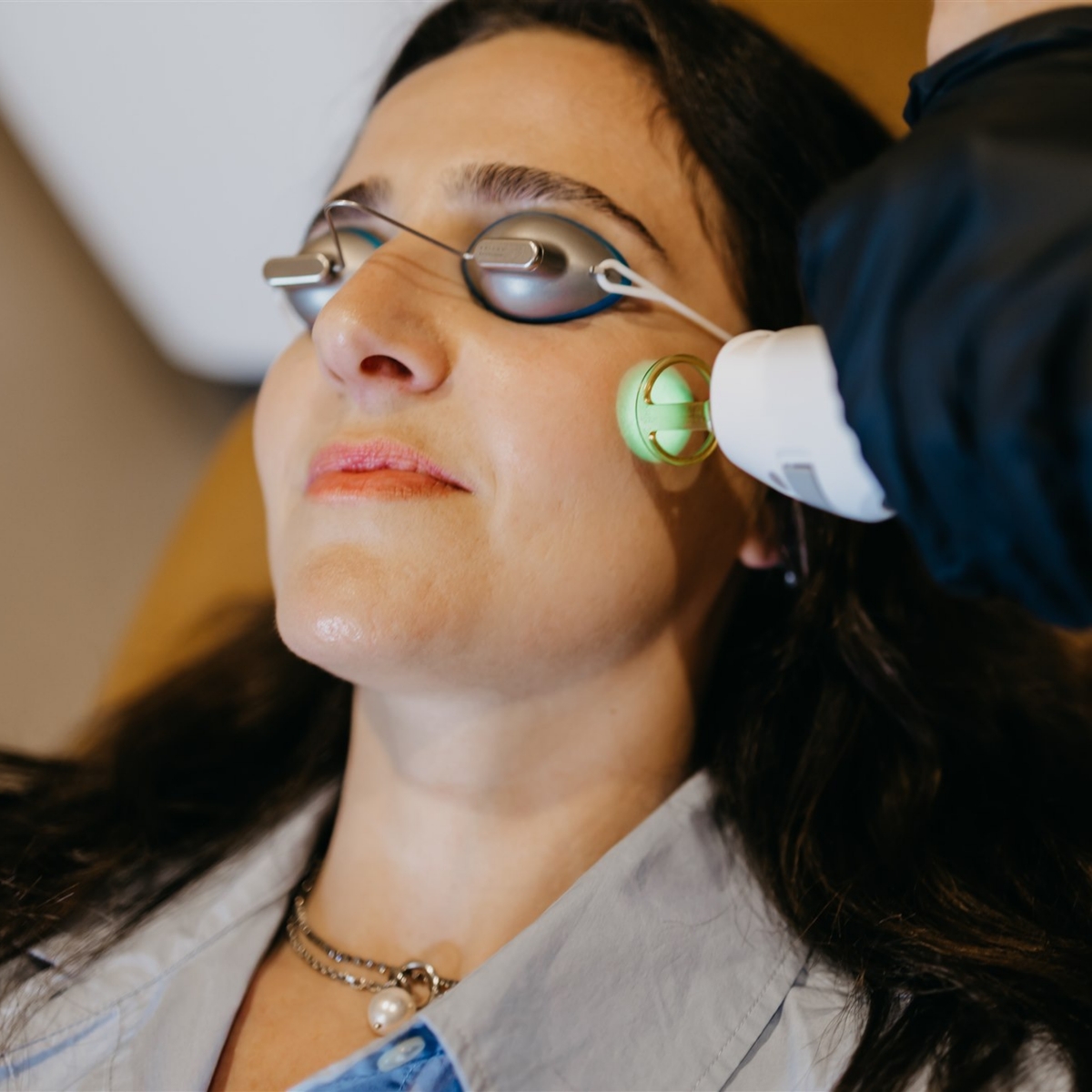
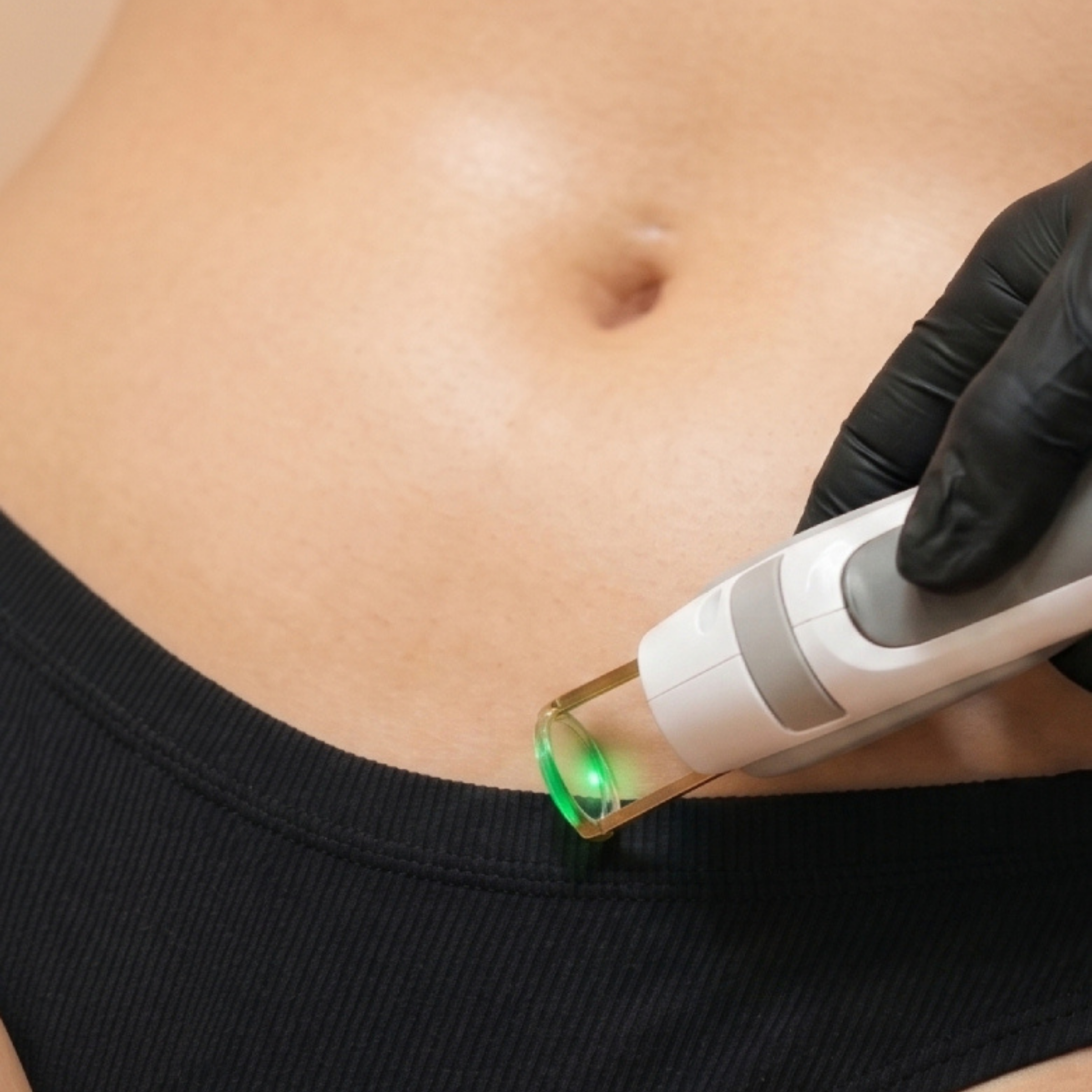
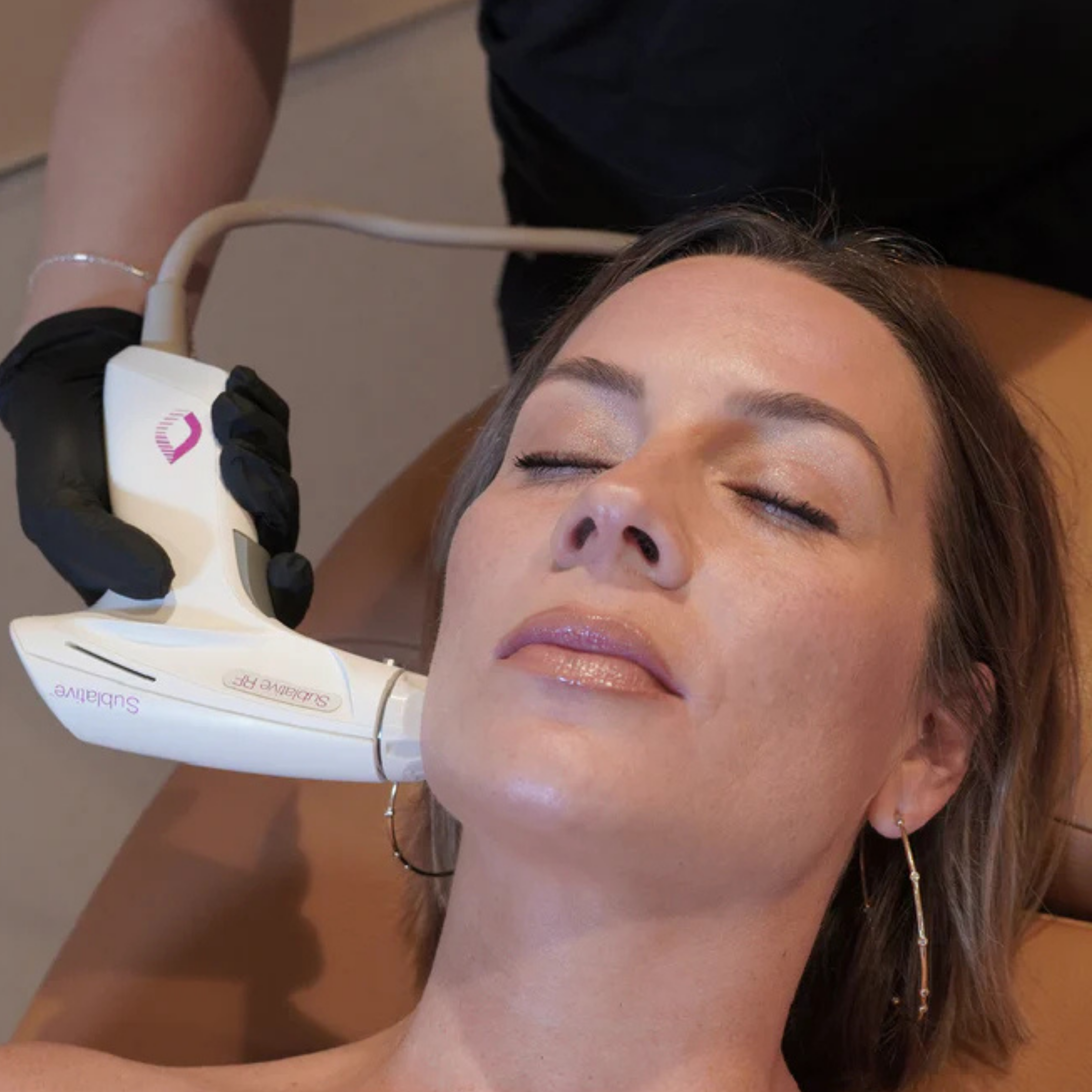
This is where treatments that work below the surface come in. A laser facial targets the layers of skin where texture, tone, and clarity issues actually originate, rather than just supporting the surface from the outside.
At CLEO, we use Candela technology for our laser facials, which is built to work across all Fitzpatrick skin types. That matters here specifically: uneven tone and texture show up differently on different skin tones, and a treatment that's only calibrated for one type of skin isn't going to deliver an even result for everyone chasing it.
How the Laser Facial Works Underneath the Skin
Here's the part most people never get explained to them: skincare products are formulated to act on the outermost layers of skin, but texture, uneven tone, and enlarged pores are shaped by what's happening in the deeper layers, where collagen lives and where pigment is produced.
A laser facial uses controlled light energy to reach those deeper layers directly. That energy does two things at once:
-
It signals the skin to produce new collagen and elastin. Collagen is what keeps skin looking smooth and resilient. As it naturally declines and gets disrupted by things like sun exposure or past breakouts, texture becomes more noticeable. Prompting the skin to rebuild that structure from within is what starts to soften texture over time, rather than just temporarily smoothing the surface.
-
It targets excess pigment at the source. Uneven tone usually comes from pigment that's already sitting in the skin, not something a serum can lift out. Treating it directly, rather than trying to fade it from the outside, is what leads to more even, consistent color across the whole complexion.
-
It calms visible redness and broken capillaries. Some of what reads as "uneven" isn't pigment at all, it's small vessels near the surface. Addressing those directly helps skin look more uniform in tone, not just brighter.
-
It refines the look of enlarged pores. Pores that look larger are often a texture issue as much as anything else. As the skin's structure rebuilds underneath, pores tend to appear tighter and less pronounced.
-
It softens fine lines and early texture changes. The same collagen response that smooths out roughness also helps with the fine lines that come from a mix of sun exposure and natural aging.
-
It supports a more consistent skin surface overall. Smoother texture, more even tone, and refined pores work together, so skin doesn't just look better in one specific way, it looks more uniform from every angle.
Because the treatment works below the surface, results build over a series of sessions rather than showing up overnight. Skin typically looks progressively smoother and more even with each one, which is also why this isn't a one-and-done fix, and why it works alongside a basic skincare routine rather than replacing it entirely.
One session won't undo years of sun damage or replace a solid daily sunscreen habit. But it does something a routine alone can't: it directly treats the texture and tone irregularities that stand between "good skin day" and actual glass skin.
The Realistic Version of Glass Skin
If you're tired of buying product after product chasing a result that never quite arrives, the honest answer is that glass skin was never a routine problem. It's a skin quality problem, and skin quality responds best to treatment, not just topical layering.
That doesn't mean skip skincare entirely. Daily sunscreen and basic hydration still matter, and always will. But if you've been layering ten products and still don't have the texture and tone you're after, the missing step probably isn't an eleventh product. It's a treatment that works underneath the surface, where the actual texture lives.
Ready to see what a laser facial can do for your skin? Book an appointment at your nearest CLEO and save $200 on your first treatment.

Leave a comment
This site is protected by hCaptcha and the hCaptcha Privacy Policy and Terms of Service apply.