

If you've spent any time on skincare social media in the past year, you've probably seen "skin cycling" mentioned. It's one of those trends that's stuck around longer than most, which usually means there's something to it. Here's what it actually is, whether it holds up, and where it runs into limits.
What Skin Cycling Actually Means
Skin cycling is a rotation method for using active ingredients. Instead of applying retinoids, exfoliating acids, or other actives every night, you cycle through a schedule, typically something like one night of exfoliation, one night of retinoid, then two nights of recovery focused on hydration and repair, before starting the cycle again.
The idea behind it is straightforward: actives work, but they also stress the skin barrier. Using them every single night, especially for people newer to retinoids or exfoliants, often leads to irritation, redness, or a compromised barrier rather than better results. Building in recovery nights gives skin time to repair between treatments.
Does it Actually Work?
Broadly, yes, and it's not a new idea so much as a repackaging of a principle dermatologists have recommended for a long time: actives need recovery time to be effective without causing damage. The "cycling" framework just makes that principle easier to follow and explain, which is likely why it caught on the way it did.
For people who've struggled with irritation from retinoids or acids used too frequently, a cycling approach can make those products more tolerable and, over time, more effective, since consistent use without irritation tends to beat inconsistent use with flare-ups.
Where it Falls Short
Skin cycling is a schedule for at-home products, and it inherits the same limits any at-home routine has. It can help skin tolerate actives better and make gradual improvements to texture and tone, but it's still working on a slower timeline and a shallower level than in-office treatments.
For people dealing with more established texture issues, visible pore size, or uneven tone that hasn't responded to at-home products, cycling a routine is unlikely to be the thing that finally moves the needle. It's a maintenance and tolerance strategy, not a treatment strategy.
Where a Laser Facial Fits in
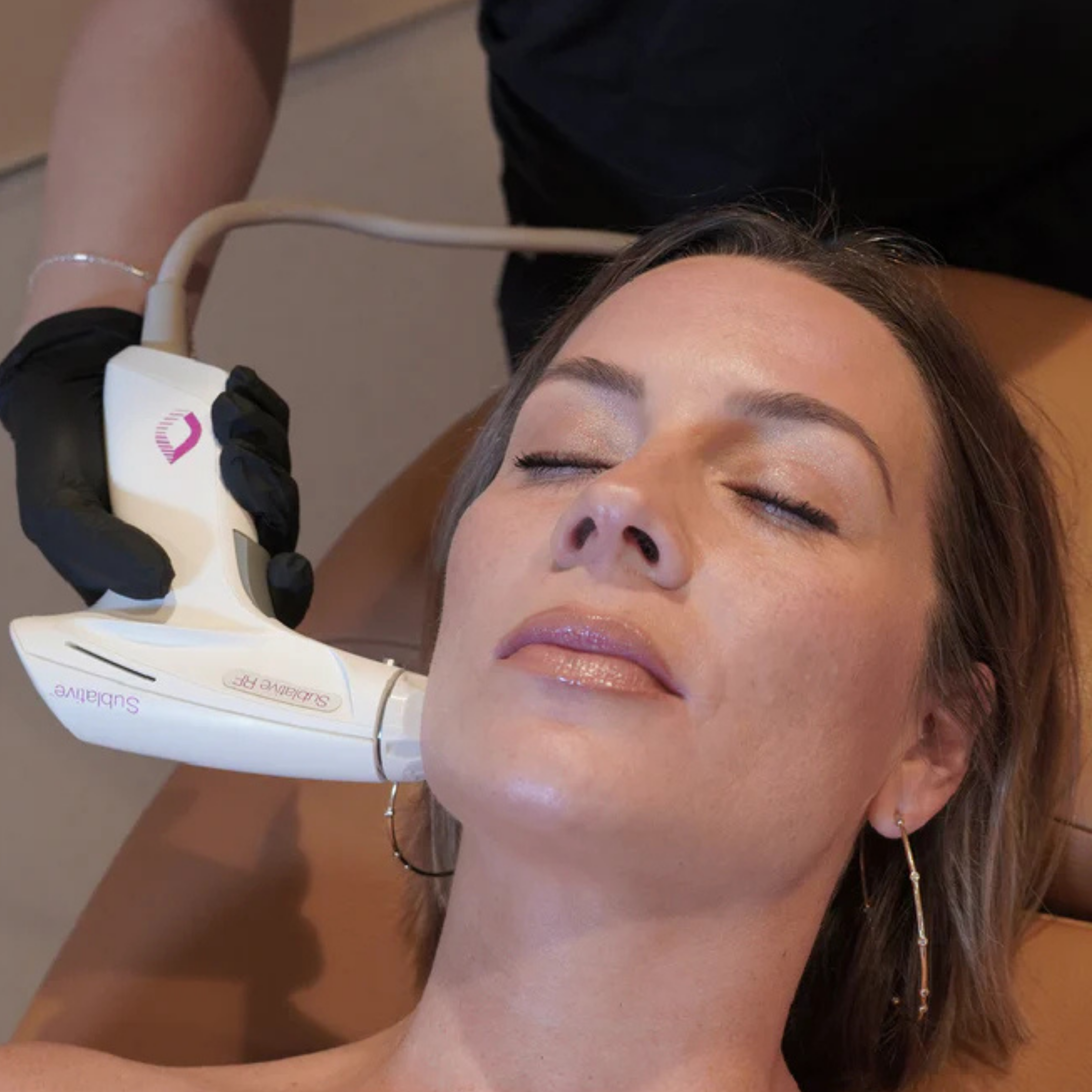
This is really the distinction worth understanding: skin cycling optimizes what topical products can do, while a laser facial works on a different level of the skin entirely, targeting texture and tone more directly than any at-home routine can.
The two aren't competing approaches. A well-cycled routine supports skin health between appointments, while regular laser facials handle what topical actives, no matter how well scheduled, aren't designed to fix on their own.
Treat What At-Home Routine's Can't
Skin cycling is a genuinely useful framework, and it's worth adopting if you've been over-exfoliating or overusing retinoids without giving your skin room to recover. But it's a routine adjustment, not a treatment. If your goal is real improvement in texture or tone rather than just better tolerance of your current products, that's where an in-office treatment becomes worth considering.
Treat what your at-home routine can't and book a laser facial today.

Leave a comment
This site is protected by hCaptcha and the hCaptcha Privacy Policy and Terms of Service apply.